Soil Test USA
Garden & Fruit Tree Soil Test
5.0 / 5.0
(1) 1 total reviews
- Results + custom prescription in 3–5 business days from when your sample arrives
- Prepaid return shipping label included
- Plain-English report — written by a working landscape professional, not a lab robot
Couldn't load pickup availability
Garden & Fruit Tree Soil Test
Fix your garden and orchard from the roots up — give your plants what they truly need.
Stop guessing. This comprehensive lab analysis reveals what your soil is actually missing — and what may be limiting plant growth and fruit production. Designed for vegetable gardens, raised beds, and fruit trees, this test identifies nutrient imbalances, pH problems, salinity stress, sodium buildup, and soil chemistry issues that affect root development, yields, and long-term soil health.
You’ll receive:
- Organic matter
- Soil pH
- Nitrate-N
View full lab markers +
- Buffer Index
- Organic Matter (OM)
- Available Phosphorus (P1 Weak Bray & P2 Strong Bray)
- Exchangeable Potassium (K)
- Exchangeable Magnesium (Mg)
- Exchangeable Calcium (Ca)
- Exchangeable Hydrogen (H)
- Cation Exchange Capacity (CEC)
- Percent Base Saturation (Ca, Mg, K, H)
- Soluble Salts (EC)
- Sodium (Na)
- Excess Lime
- Sulfur (S)
- Zinc (Zn)
- Manganese (Mn)
- Iron (Fe)
- Copper (Cu)
- Personalized amendment & fertilizer plan (organic or conventional)
- Easy-to-read SoilTestUSA report
- Prepaid return label + sampling instructions
Ideal for: homeowners, gardeners, and fruit tree owners who want healthier plants, better harvests, and long-term soil improvement — without wasting money on guesswork.
Why not just grab a $15 kit at the hardware store?
Fair question. Here’s the honest answer.
| Store-bought strip kit | County extension lab | Soil Test USA | |
|---|---|---|---|
| What you get back | A color you squint at | A data table full of ppm numbers | ✓A plain-English report + exact prescription |
| Tells you pH | Roughly | Yes | ✓Yes — lab-grade |
| Tells you what to buy & how much | No | No | ✓Product, rate, and timing |
| Written by | Nobody | A lab robot | ✓A working landscape professional |
| Return shipping | N/A | You figure it out | ✓Prepaid label included |
| Turnaround | Instant, but useless | You wait 2–4 weeks | ✓3–5 business days from arrival |
A test strip tells you your soil is “low.” Our report tells you exactly what to apply, how much, and when — and why. That’s the difference between guessing and growing.
Common questions
How do I collect my sample?
Collect soil from 6–10 spots within the area you're testing (0–6 inches deep), mix them together, and fill the sample bag with about 3 cups. Takes around 5 minutes — full instructions are included in your kit.
How many tests do I need?
One sample represents a uniform area of up to 5,000 sq. ft. — roughly an average front or back yard. Areas with different soil or different uses (a lawn vs. a vegetable garden) should be tested separately.
How long does it take?
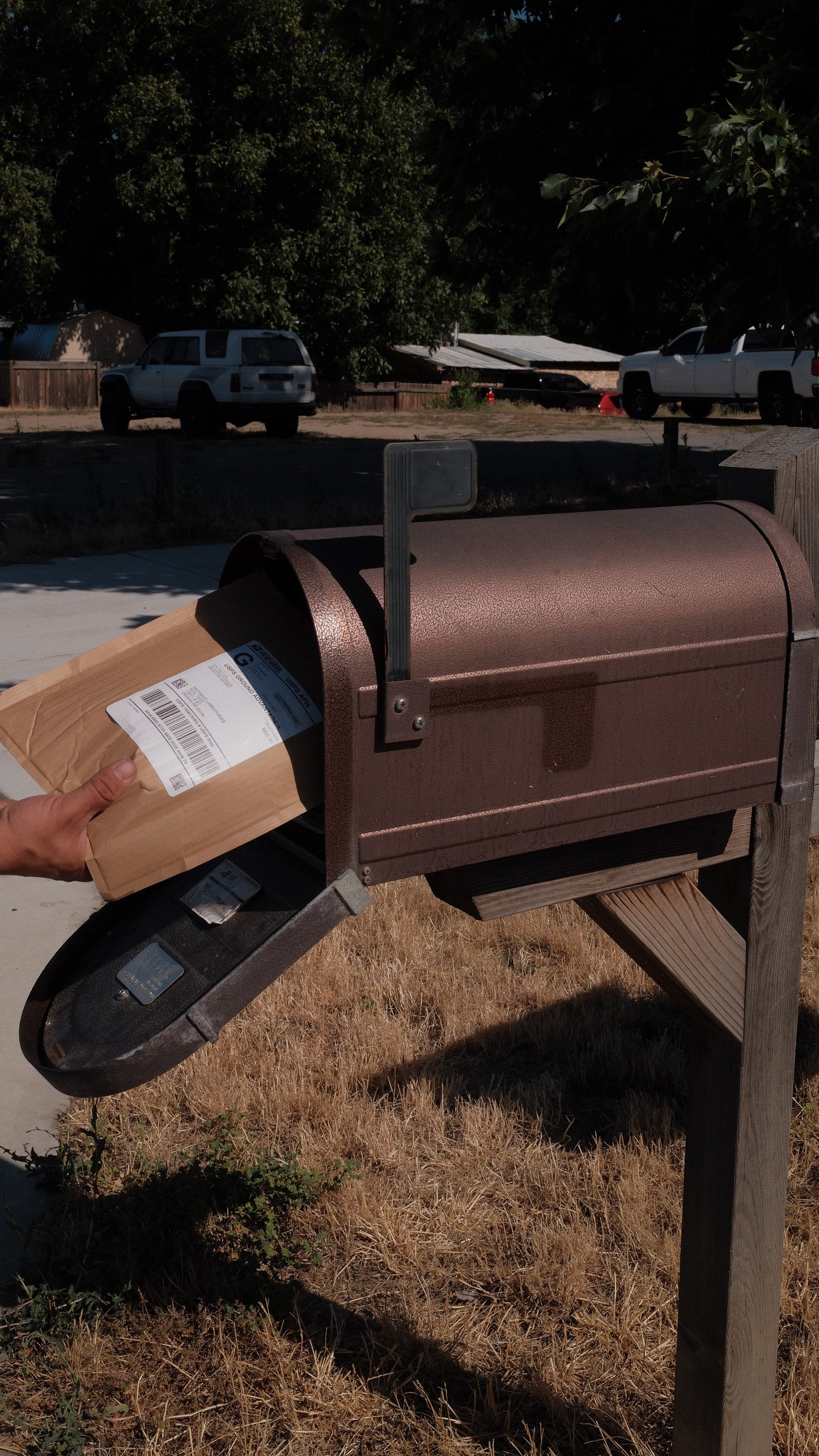
You'll receive your report 3–5 business days after your sample arrives at the lab. A prepaid shipping label is included — drop the sealed bag at any USPS location or just put it in your mailbox.
What exactly do I get back?
A digital report in plain English: your pH, nutrient levels, organic matter, and salinity explained, plus a custom prescription with both organic and conventional amendment options — exactly what to apply, how much, and when.
Share

How It Works
From your yard to your custom prescription in 3–5 business days
Order your test
Kit ships to your door with everything you need
Collect your sample
Takes about 5 minutes — simple illustrated instructions
Mail it to our lab
Prepaid return label included — just drop it off
Get your prescription
Lab results + a plain-English plan in 3–5 business days
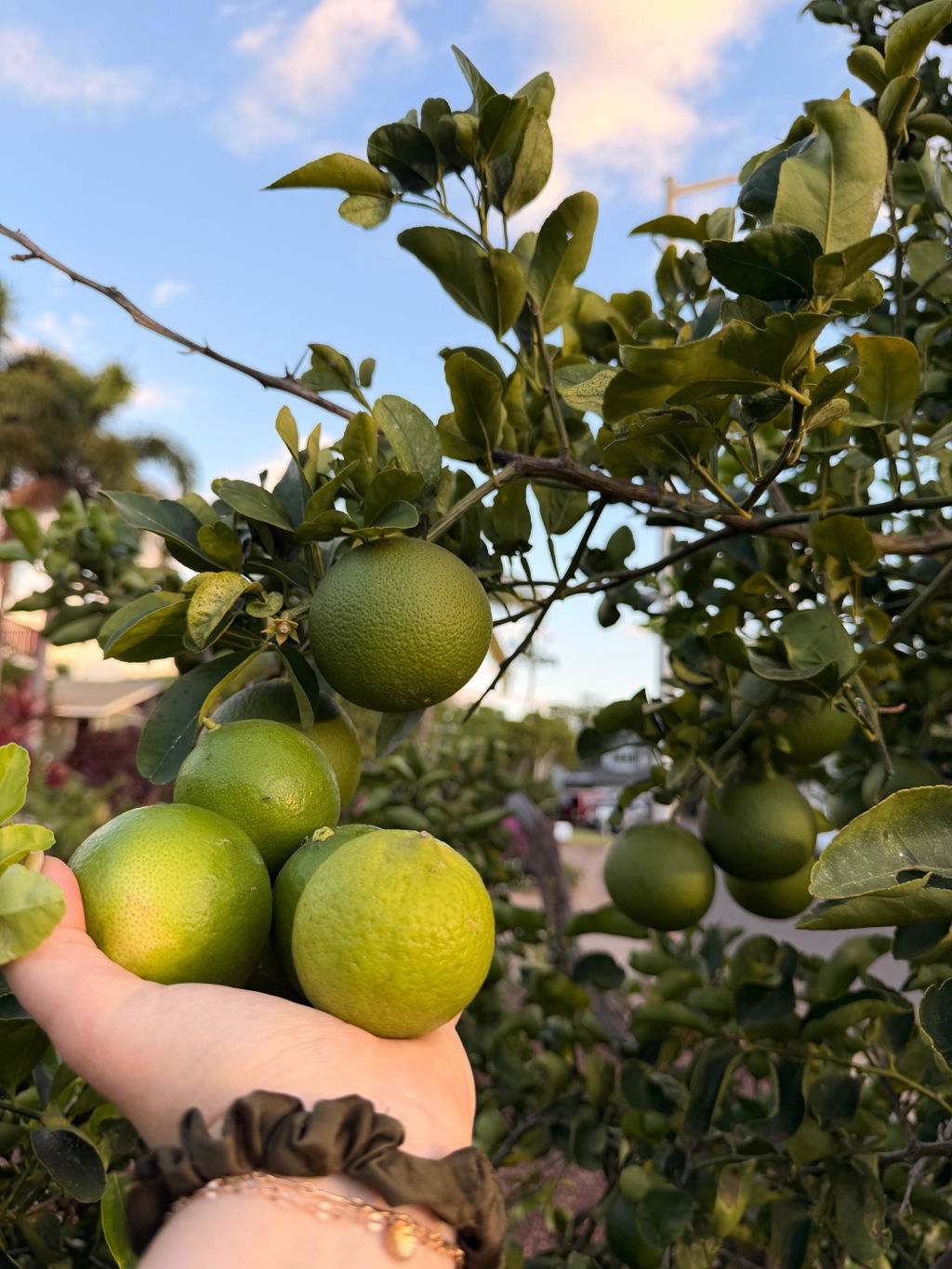
I couldn't figure out why my lime tree was only producing hard dark green fruit, and not ripening to a light green tender fruit. When I got my report back, not only did it explain that my potassium was low, and my soil PH was too high, but it gave me detailed instructions to split up the amount of potassium over time and also lower the PH gradually to not shock my tree.